We provide total solutions to the paint and coatings industry by offering a complete line of quality products including alkyd and acrylic resins, emulsions, rosin esters and varnishes.






Products
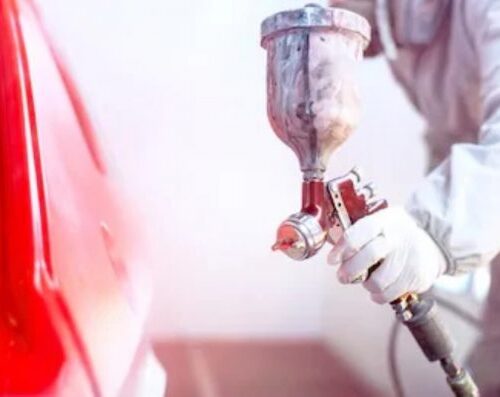
Acrylic resins usually refer to acrylic ester polymers, of which methyl methacrylate is the chief constituent. In some cases, methyl methacrylate is present merely as a modifier for other acrylic and non-acrylic constituents such as styrene, vinyl toluene and other vinyl-type polymerisable materials. Because of their excellent gloss, color retention, and chemical, solvent and stain resistance, these resins are well suited for automotive and appliance finishes.
For interior and exterior paints, matte, gloss and semi-gloss finishes. Emulsions are either homopolymers or copolymers of vinyl acetate, styrene, or acrylic monomers produced by a process known as “emulsion polymerization”. They are made up of 45-55% by weight of polymers dispersed in water and are the bases of water-based coatings or latex paints. Latex paints are widely used for concrete surfaces because of their good alkali and water resistance and excellent outdoor durability. In addition, they have won acceptance being water-based. Film-formation of water-based coatings begins when water evaporates, bringing the resin particles into close contact with one another. Inner-particle forces cause fusion of the individual particle entrapping any pigment and plasticizer that may have been present in the water phase, thus, producing a continuous film.
For cold set and baked chemical resistant coatings and primers, can coatings, varnishes and air-dry primers. Epoxy resins are reaction products of bisphenol A and epichlorohydrin. These resins are cross-linked with other reactive groups, such as polyamides, polyamines, urea and phenolic resins to achieve chemical and solvent resistance, adhesion, hardness and flexibility. Epoxy esters are formed by heating epoxy resins and fatty acids together until esterification is complete. Epoxy esters are intermediate in properties between epoxy resins and alkyds. In formulation, epoxy esters are similar to alkyds. They air-dry with the use of cobalt and other metallic driers. They are cross-linked with urea and melamine resins for baked coatings.
For quick-drying enamels and primers, transport enamels, marine paints, road marking paints, etc. Rosin modification is used to make alkyds set faster and harder. It gives higher gloss and adhesion. Durability is sacrificed to some extent, depending on the amount of rosin added. Rosin modification makes alkyds suitable for fast-dry enamels and primers. Phenol modification increases alkyds’ resistance to water, alkali, grease, oil and abrasion. Phenol-modified resins are used extensively in both industrial and architectural finishes, either alone or as reinforcing agents for other alkyds resins.
For architectural paints, primers, printing inks, aluminum finishes, marine paints and insulating varnishes. Processed oils are polymerized oils made by heating refined oil at high temperatures. Where excellent color and low acidity are important, the oil is processed under a blanket of inert gas at a temperature of about 300°C. Polymerized oils have faster drying time than unprocessed oils. This is due to the formation of larger molecules rather than to partial oxidation of the oil. Varnishes are essentially processed from oils and resins under heat to achieve certain physical and chemical properties. They dry by solvent evaporation and leave the oil-resin combination to solidify by a combination of oxidation and polymerization. These drying reactions are accelerated by catalytic action of the driers present in the film.
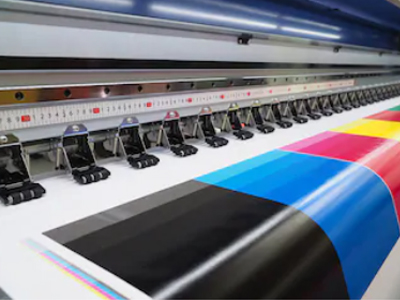
For cold set and baked enamels and primers and flexographic inks. RI Chem manufactures two kinds of polyamide resins: polyamides which are used as epoxy hardeners and polyamides used for printing inks . Polyamides used as epoxy hardeners are room temperature curing resins. That produce tough, resilient, and flexible polymers with good moisture resistance when cross-linked with epoxy resins. Curing can be accelerated with heat. Polyamides for printing inks are thermoplastic polyamide resins used for flexographic and gravure type inks formulated with high alcohol content. They are very well suited for high speed printing of treated polyolefin films (polyethylene and polypropylene), as well as PVDC (polyvinylidene coated cellophane). Such inks are ideal for polyolefin bread wraps and other pastry products. Being thermoplastic, they should not be used in heat sealed areas.
For architectural (decorative) paints, enamels, primers, road-marking paints, baked enamels, automotive and wood lacquers, etc. Alkyd resins are produced by the reaction of a polybasic acid (phthalic anhydride, maleic anhydride, etc.) with a polyhydric alcohol (glycerine, pentaerythritol, ethylene glycol, etc.) and an oil or a fatty acid. The reaction may be further modified with the addition of rosin and/or phenol-formaldehyde resin. Various polybasic acids, polyhydric alcohols, oils, fatty acids and modifying agents may be combined to produce alkyds with specifically desired properties. Originally, alkyd resins were merely the reaction products of phthalic anhydride and glycerine. However, these products were too brittle to make satisfactory coatings. The use of oils or unsaturated fatty acids in combination with the brittle alkyds resulted in the air-drying coatings which revolutionized the chemical coating industry. Further developments led to the use of completely or partially saturated oils and fatty acids for baking finishes and lacquers. The oil or fatty acid portion of the alkyd is one of the factors which determine the paint formulator’s choice of resin to be used. In general, the lower the phthalic content of an alkyd, the higher the amount of oil used. For this reason, low phthalic unmodified alkyds (under 27%) are designated as “long oil”, medium phthalic alkyds (27-30%) as “medium oil” and high phthalic alkyds (over 30%) as “short oil”. Alkyds produced by the interaction of polybasic acids, polyhydric alcohols and oils or fatty acids are referred to as “unmodified alkyds”. The incorporation of rosin, phenol-formaldehyde and vinyl or acrylic monomers into the alkyd during the reaction produces a modified alkyd. (See rosin/phenol modified alkyds and vinyl/urethane modified alkyds.)