Innovative materials for modern construction materials that are guided by the principles of sustainability, created through our intensive R&D efforts.

Products
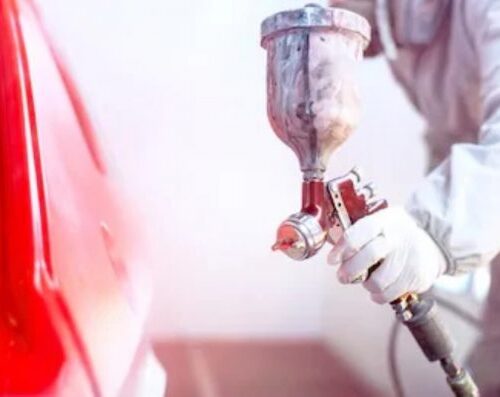
Acrylic resins usually refer to acrylic ester polymers, of which methyl methacrylate is the chief constituent. In some cases, methyl methacrylate is present merely as a modifier for other acrylic and non-acrylic constituents such as styrene, vinyl toluene and other vinyl-type polymerisable materials. Because of their excellent gloss, color retention, and chemical, solvent and stain resistance, these resins are well suited for automotive and appliance finishes.
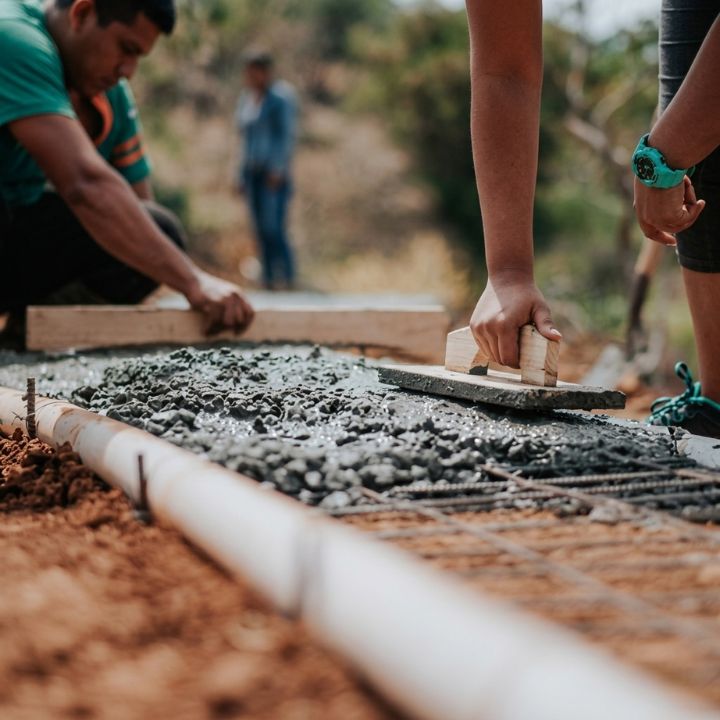
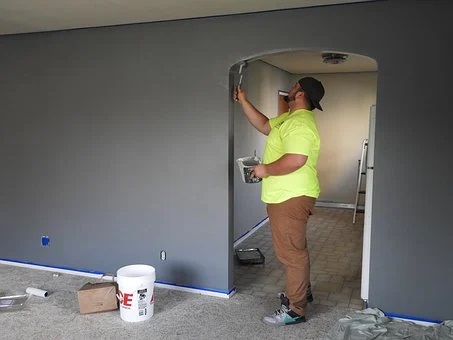
For interior and exterior paints, matte, gloss and semi-gloss finishes. Emulsions are either homopolymers or copolymers of vinyl acetate, styrene, or acrylic monomers produced by a process known as “emulsion polymerization”. They are made up of 45-55% by weight of polymers dispersed in water and are the bases of water-based coatings or latex paints. Latex paints are widely used for concrete surfaces because of their good alkali and water resistance and excellent outdoor durability. In addition, they have won acceptance being water-based. Film-formation of water-based coatings begins when water evaporates, bringing the resin particles into close contact with one another. Inner-particle forces cause fusion of the individual particle entrapping any pigment and plasticizer thay may have been present in the water phase, thus, producing a continuous film.
For cold set and baked chemical resistant coatings and primers, can coatings, varnishes and air-dry primers. Epoxy resins are reaction products of bisphenol A and epichlorohydrin. These resins are cross-linked with other reactive groups, such as polyamides, polyamines, urea and phenolic resins to achieve chemical and solvent resistance, adhesion, hardness and flexibility. Epoxy esters are formed by heating epoxy resins and fatty acids together until esterification is complete. Epoxy esters are intermediate in properties between epoxy resins and alkyds. In formulation, epoxy esters are similar to alkyds. They air-dry with the use of cobalt and other metallic driers. They are cross-linked with urea and melamine resins for baked coatings.
For letter-press, offset and flexo inks, and wooden lacquers. Rosin esters are reaction products of rosins and polyols such as glycerine and pentaerythritol. They are used essentially in general-purpose varnishes, nitrocellulose lacquers, and sealers, and as hardeners for alkyds. They are also used as tackifying agents for emulsion adhesives. Modification with maleic anhydride or fumaric acid improves their bodying rates, speed of drying and other properties. These resins are called maleic or fumaric resins. They are used to produce high-grade lacquers, overprint varnishes, printing inks and film-hardening components in alkyds. Further modification with phenolic resins vastly improves bodying rates and drying properties with resulting increases in water, alkali and chemical resistance. These resins are used in the manufacture of letterpress and offset inks.
Thermosetting resins for the manufacture of fiberglasss-reinforced plastics (FRP), translucent building panels, sanitary wares, chemical storage tanks, automotive body patch, etc. When properly catalyzed, these resins convert from a liquid state to an infusible solid. The polymerization reaction, usually termed “curing”, is initiated through the addition of an organic peroxide catalyst and an accelerator. Polyesters are used for the production of fiberglass-reinforced plastic composites such as boats, translucent building panels, sanitary ware, chemical storage tanks and ducts. Other uses include clear cast resins, bowling balls, synthetic marbles, furniture parts, and auto body patch compounds.