
Whoa!
Okay, so check this out—browser wallet extensions changed how I interact with crypto.
They cut friction in half for me, and honestly they made things feel more immediate.
At first I treated extensions like convenience tools, but then they became essential infrastructure for NFTs and DeFi on Solana, which surprised me.
Over time I realized that the differences between a mobile-only wallet and a desktop extension are bigger than they look, especially when you start juggling NFT drops, staking, and dApp sessions across tabs while juggling coffee and calendar invites.
Wow!
Extensions live in your browser toolbar and they talk directly to web apps, which makes interaction fast.
That speed matters when mint windows or auction timers eat seconds.
My instinct said speed is overrated, but that was wrong—timing often decides success or disappointment.
Initially I thought desktop flows were clunkier, but then I noticed how much context-switching mobile requires, and honestly, that bugs me.
Really?
NFT collectors find browser extensions especially handy for batch operations and provenance checks.
You can inspect metadata, sign transactions quickly, and keep multiple accounts available without fumbling.
Phantom, which I use often, nails the balance between simplicity and power for Solana users.
On the other hand, browser extensions also bring attack surface considerations that deserve careful thought, because browser processes and extensions have different security dynamics than hardware wallets or isolated mobile apps.
Whoa!
Here’s what bugs me about wallet choice: people focus on aesthetics and UX without checking security model specifics.
I’ll be honest—I used to pick wallets based on screenshots and cute onboarding.
Something felt off about that approach when I nearly approved a malicious-looking permission request (oh, and by the way… I clicked cancel fast).
Actually, wait—let me rephrase that: convenience must be reconciled with risk, and the reconciliation requires concrete habits more than hope.
Wow!
The Solana ecosystem skews fast and low-fee, which plays well with in-browser activity.
DeFi apps on Solana often require signing several quick transactions, and browser extensions make that flow tolerable.
On a related note, NFTs on Solana are cheaper to move, but provenance matters more than price, meaning your wallet should display metadata and history clearly.
On one hand ease of use improves adoption, though actually I must stress that users also need better mental models for signing and approvals.
Really?
Wallet extensions usually store private keys locally encrypted, which is good but not infallible.
If your machine gets compromised, keys could be at risk regardless of wallet type.
My strategy is to keep long-term value in cold storage and use an extension primarily for operational tasks like minting and interacting with DeFi, which feels like a sane compromise.
On the other hand, some people put everything into one hot wallet, which is convenient but very very risky in practice.
Whoa!
User experience patterns matter in surprising ways for creators and collectors.
For example, mint pages that request only a single signature are more approachable for newcomers than complicated flows requiring multiple approvals.
I noticed creators with clear, step-by-step instructions get much better conversion on drops, because people trust the process more when the wallet UI behaves predictably.
My instinct said good UX always wins, but actually, trust and clear communication usually beat flashy interfaces when money is involved.
Wow!
Okay, so check this out—extensions also ease cross-tab workflows, which is underrated.
I balance marketplaces, analytics sites, and Discord while signing transactions, and extensions keep that orchestration sane.
That multitasking capability is why many power users prefer browser wallets for day-to-day activity, even if they keep savings in hardware wallets for safety.
On reflection I used to compartmentalize tasks poorly, but improving that setup reduced mistakes and accidental approvals, which felt like leveling up slowly but surely.
Really?
Integration with browser developer tools and extensions can accelerate troubleshooting for builders.
If you’re developing a dApp on Solana, a browser wallet makes replaying flows and debugging transactions simpler.
That hands-on feedback loop shortens iteration cycles, and you ship features with fewer surprises.
Though actually, some teams forget to test edge cases like nonce handling or wallet timeouts, which leads to user friction that could’ve been avoided with a bit more QA.
Whoa!
Security habits you adopt in the browser are crucial.
Always validate the domain you’re interacting with, and be skeptical of pop-ups and unsolicited permission requests.
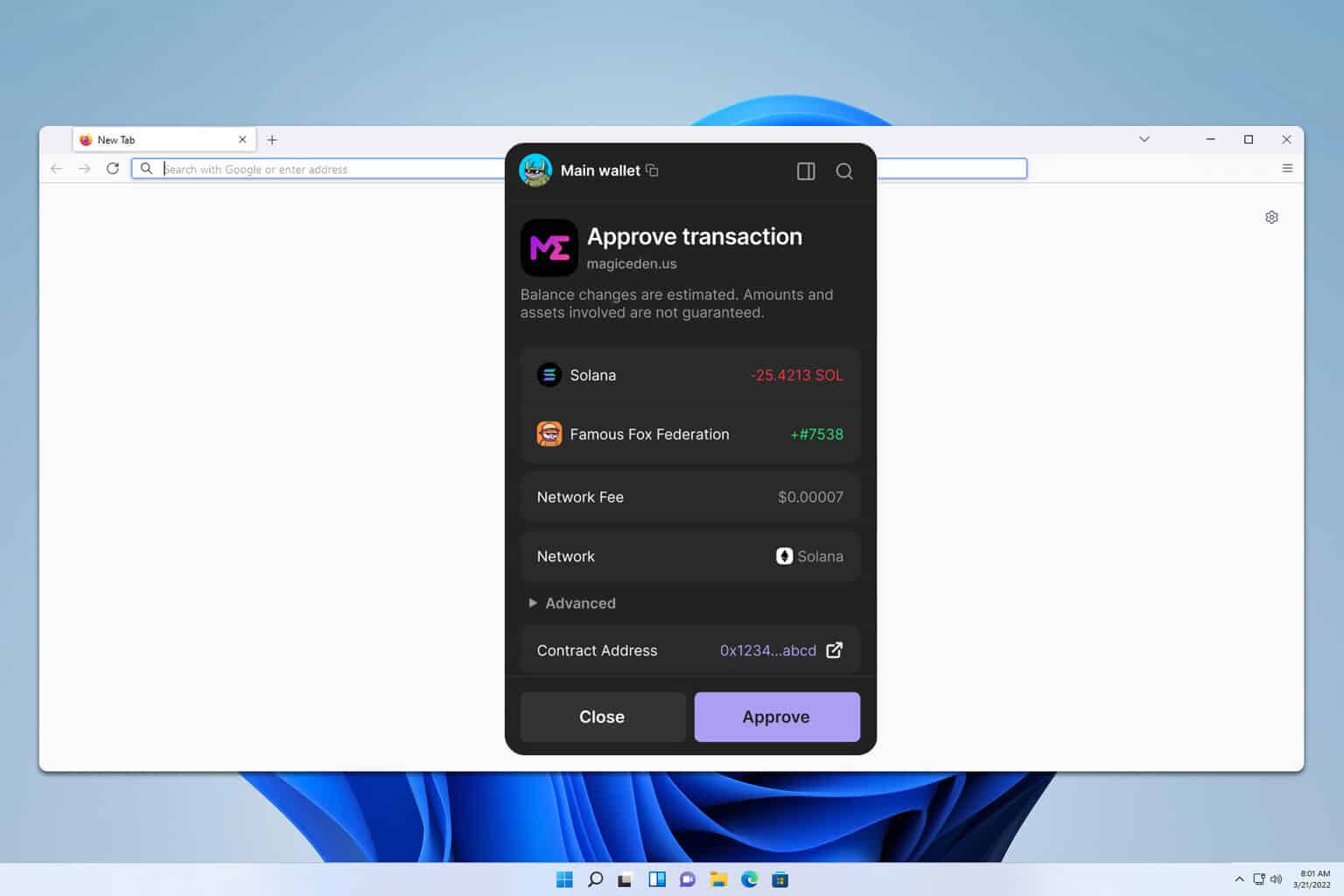
I train myself to check the transaction details line-by-line for unfamiliar instructions or program IDs; this habit caught a suspicious contract once, so it’s worth the small time investment.
On the other hand, human error happens—phishing gets more sophisticated—and so your defensive posture should include both tech measures and cautious behaviors.
Wow!
Some practical tips if you use a Solana browser extension: maintain separate wallets for distinct purposes, enable hardware wallet integration when possible, and keep software updated.
Create a “working wallet” for daily DeFi moves and an “archive wallet” for long-term NFT holdings to minimize exposure.
Also, label accounts clearly in your extension because multiple similar addresses will confuse you at 2 AM when a drop goes live.
I’m biased toward splitting roles across accounts, though I admit that adds overhead that not everyone wants to manage, and that’s okay too.
Really?
Gas-free or low-fee assumptions can lull users into signing reckless transactions.
Even if fees seem negligible, signing a malicious instruction can cost you assets or allow exotic approvals.
So, look beyond the fee line and read the program details, especially when unknown contracts request authority over your NFTs or tokens.
My gut said “this is fine” once, and that was the time I nearly lost an approval to an unknown marketplace—lesson learned and then reinforced.
Whoa!
Interoperability between wallets and marketplaces continues to improve, but standards are still evolving.
Some NFTs carry extra metadata or on-chain rules that certain wallets don’t display, and that mismatch creates confusion.
A friend in the Bay Area once misinterpreted a token’s royalty settings due to poor UI labeling, and that created awkward buyer expectations.
On the whole, the ecosystem is maturing, though actually it’s still a patchwork in parts, which means vigilance remains important.
Wow!
If you want to try a slick Solana extension experience, consider checking out phantom for a well-rounded balance of UX and functionality.
Phantom supports NFTs, DeFi interactions, staking, and hardware integrations, which covers most daily needs for collectors and traders.
I link it because it’s been part of my workflow for months and because it handles typical dApp flows without being obtrusive, and yes, I’m aware preferences vary widely.
(Here’s the link if you want to see what I mean.)
Practical flows and habits that actually help
Wow!
Create a short habit checklist before signing: verify domain, confirm recipient, and read extra metadata when present.
Use hardware confirmation for large transfers and add two-step security practices in any custodial or non-custodial set-up you control.
On one hand these steps sound tedious, though on the other hand they significantly reduce cliff-drop panic when you notice a suspicious transaction later—trust me, that panic stings worse than the tiny extra time spent verifying.
I’m not 100% sure about every edge case, but these rules covered 99% of my rookie mistakes and still prevent daily slip-ups.
Really?
For builders: expose clear transaction labels and minimize nested approvals in your dApp.
Users trust flows where the wallet UI shows explicit program IDs and human-readable intent, which reduces declines and support tickets.
When you build poor UX, you push users towards risky workarounds that create new vulnerabilities, which is exactly what you don’t want in a security-sensitive space.
Initially I underestimated design’s role in security, but my views shifted after watching a confusing flow generate dozens of help requests in one weekend.
Whoa!
For collectors: prefer wallets that handle metadata well and that let you export proof-of-ownership easily.
If you plan to show NFTs on social or embed them, ensure the wallet’s export and viewing capabilities match what marketplaces expect.
Somethin’ as basic as a missing metadata field will trip you up in listings more often than you think.
On reflection, having clear, organized collections in your extension saves time and stress during busy drop windows, and it helps maintain provenance for resale.
FAQ
Is a browser extension wallet safe for NFTs and DeFi?
Wow!
Short answer: generally yes with caveats.
Extensions are safe when combined with good host security, hardware backups for large holdings, and disciplined signing habits.
Use extensions for convenience and active interactions, but consider cold storage for long-term holdings or large balances to reduce exposure.
How should I split wallets for best practice?
Really?
Create at least two wallets: an operational wallet for drops and DeFi and a reserve wallet kept in cold storage or on hardware.
Label them and avoid cross-using addresses for very different trust levels to minimize accidental high-risk approvals, and yes, that means a bit more bookkeeping but it’s worth it.
Which extension do you recommend for Solana?
Whoa!
I’m biased but I use and recommend phantom for a balanced mix of UX and features.
It supports NFTs, staking, and common DeFi flows, and it integrates with hardware devices which I value highly.
Still, evaluate for yourself and consider your personal threat model before committing.